
Female infertility is a condition in which a woman experiences difficulty conceiving despite regular, unprotected intercourse. It can result from various factors, including ovulation disorders, PCOS/PCOD, Low AMH, endometriosis, blocked fallopian tubes, hormonal imbalance, uterine abnormalities, or age-related reproductive changes.
At Usma Infertility Clinic, we understand that every woman's fertility journey is unique. Our experienced fertility specialists focus on identifying the root cause of infertility through comprehensive evaluation and personalized treatment planning. By combining Ayurvedic principles with modern diagnostic support, we aim to improve reproductive health, restore hormonal balance, regulate ovulation, and enhance the chances of natural conception.
Contact Us
Endometriosis is a chronic gynecological condition in which tissue similar to the lining of the uterus (endometrium) grows outside the uterus.
Read More →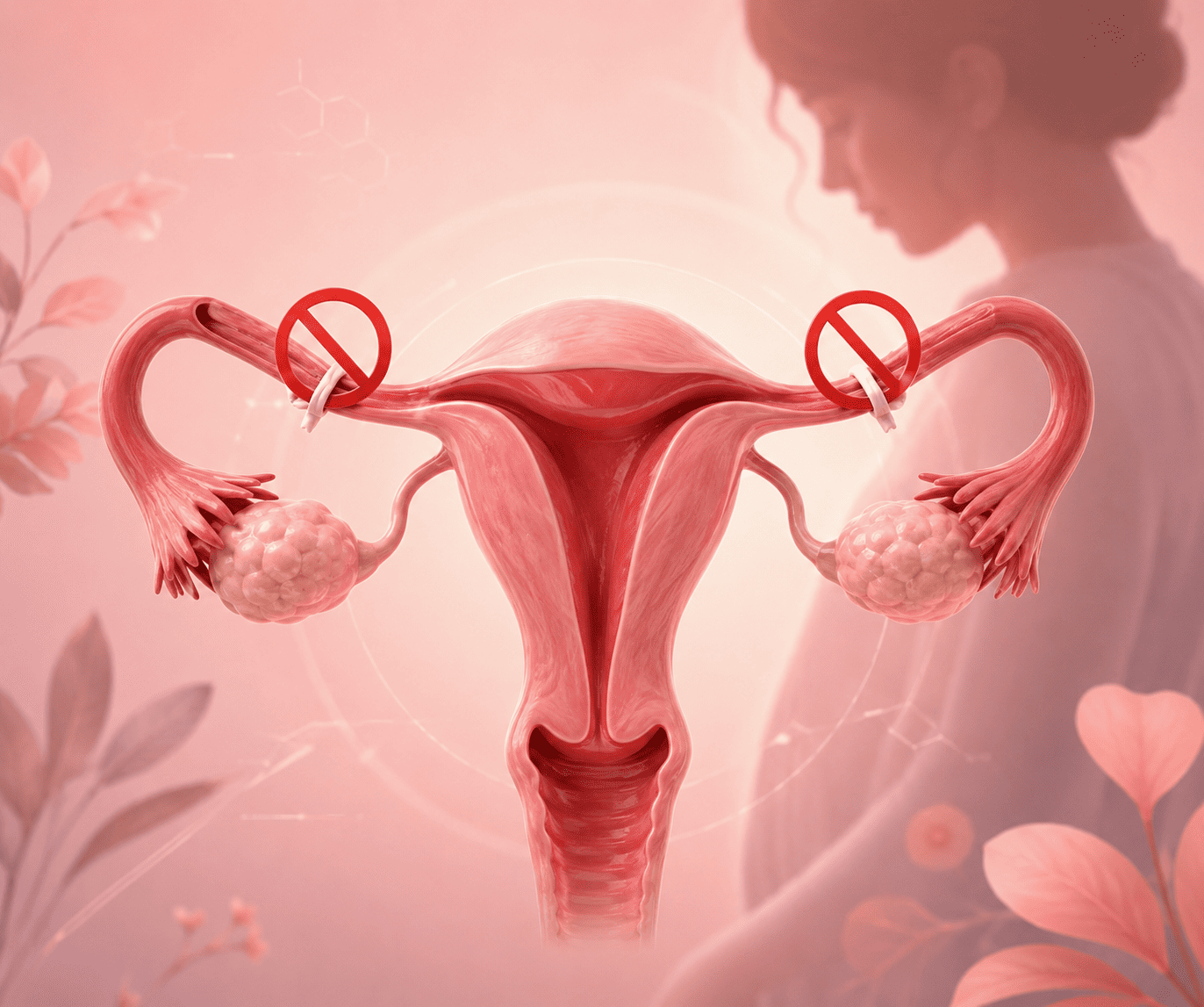
Uterine fibroids are non-cancerous growths that develop in or around the uterus and are commonly found in women during their reproductive years.
Read More →
Low AMH (Anti-Müllerian Hormone) indicates reduced ovarian reserve with fewer remaining eggs.
Read More →
Tubal blockage is one of the most common causes of female infertility. The fallopian tubes play a vital role in carrying the egg from the ovary to the uterus and are the site where fertilization typically occurs.
Read More →
Polycystic Ovary Syndrome (PCOS) and Polycystic Ovarian Disease (PCOD) are common hormonal disorders that can affect a woman's reproductive health, menstrual cycle, and overall well-being.
Read More →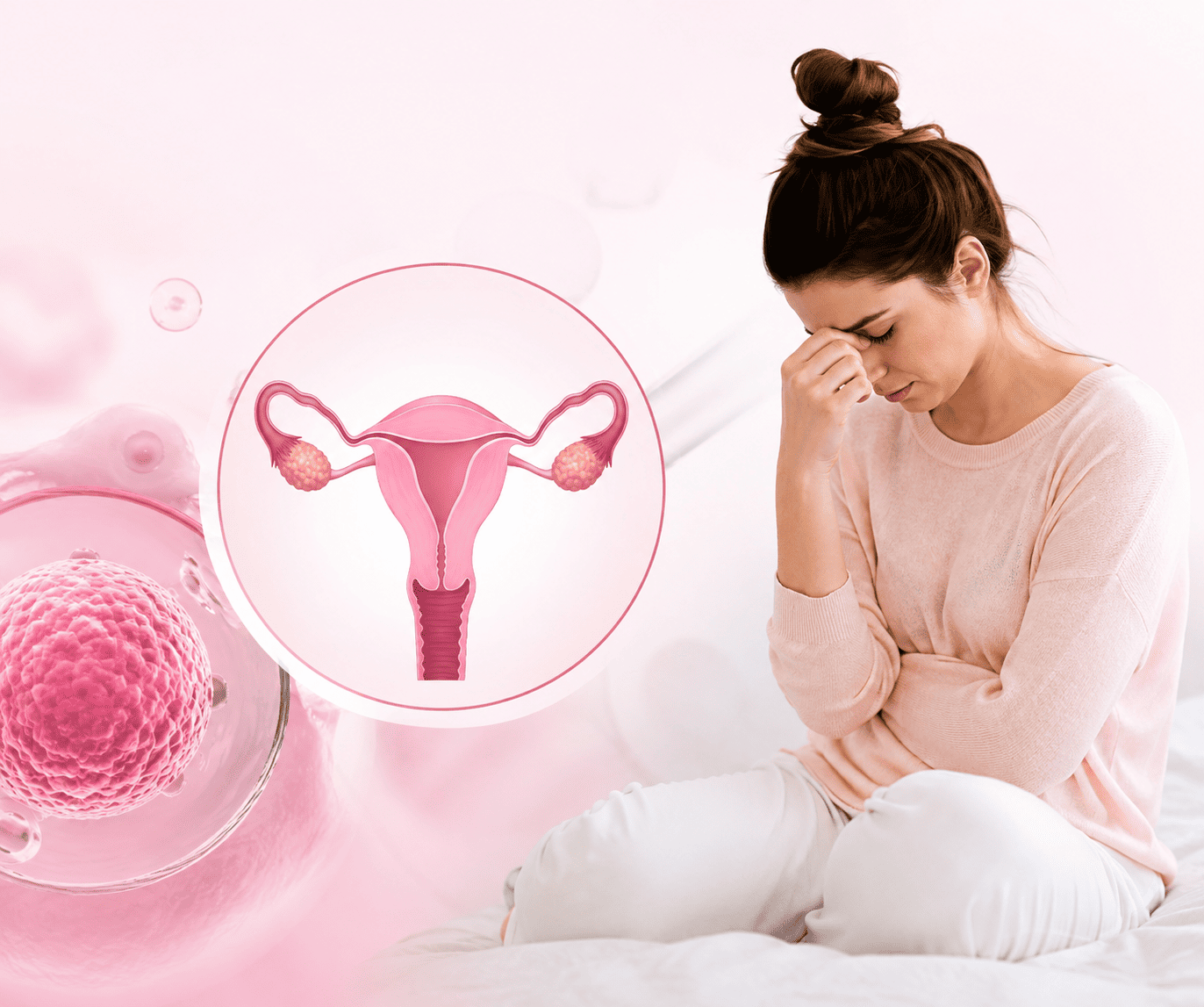
Female infertility refers to the inability to conceive after 12 months of regular, unprotected intercourse (or after 6 months for women aged 35 and above).
Read More →